On many projects the information exists but is scattered: drawings in one email, minutes in another, measurements in a spreadsheet only one person understands. The result is supervision that reacts once the problem is already visible. The alternative is supervision that works with reliable, up-to-date data from day one.
Format: Industry news
-
-
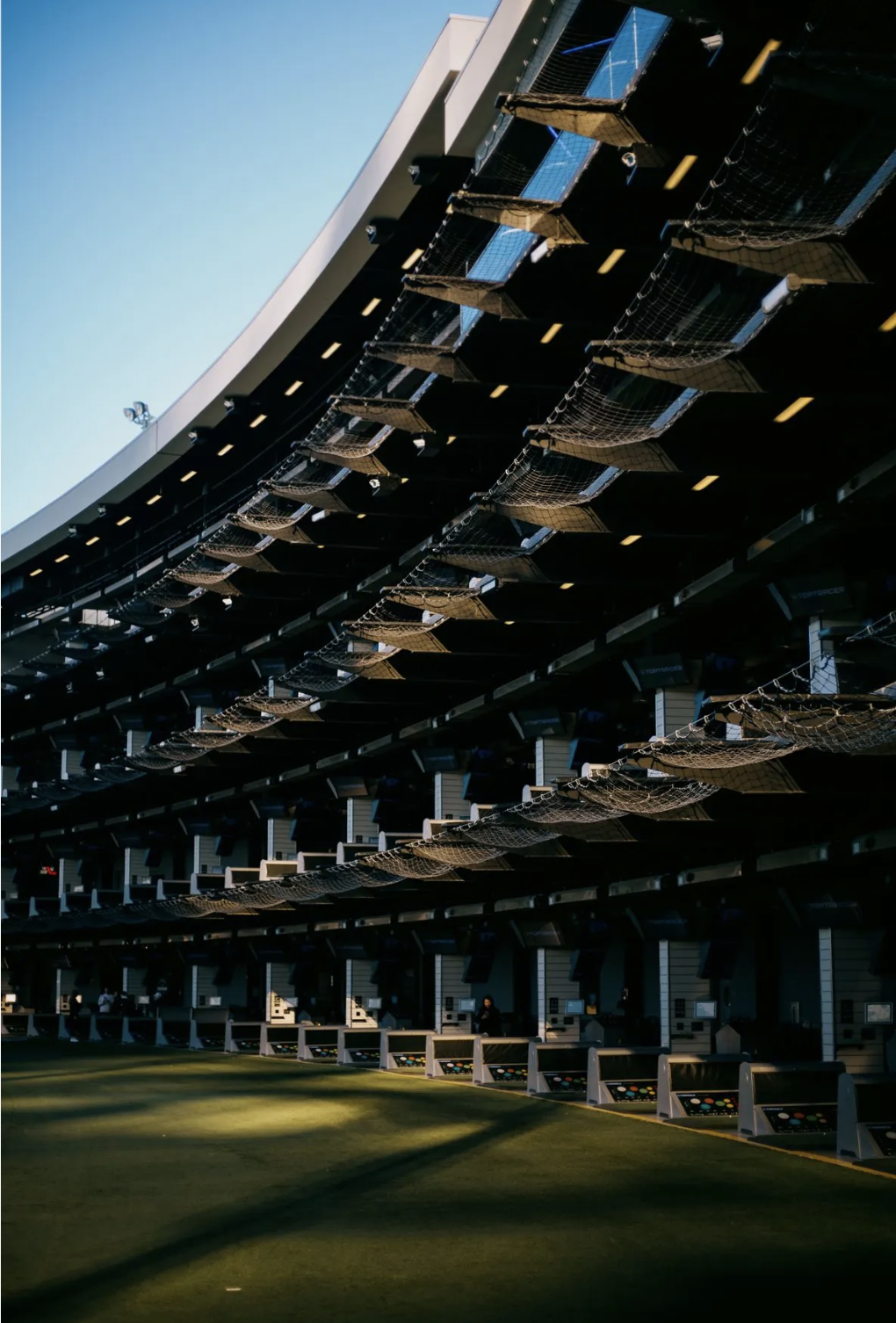
Last week in Madrid, the III BREEAM ES Awards delivered a headline of interest to anyone designing or managing sports facilities: CELTA360, Real Club Celta’s roughly 30-hectare complex in Mos (Pontevedra), won the Urban Planning category and, according to the organisers, is the world’s first sports project certified under this scheme. It comes just as the deadline for EU Member States to transpose the new Energy Performance of Buildings Directive has passed.
At TALAT we see one idea behind both stories: sustainability has stopped being a statement of intent and become a set of auditable figures.
Read also: EPBD for Hotels: From Compliance to Measurable Evidence
-

On 29 May 2026, the deadline passed for Member States to transpose most of Directive (EU) 2024/1275 on the energy performance of buildings (EPBD). According to the GBCE analysis reported by Tinsa, Spain had transposed 60% of the 155 required provisions by then, leaving 40% pending. For a hotel, sports centre or real-estate asset, that gap is not a reason to wait: it is a window to decide well.
Keep reading:
- EPBD Hits the Job Site: Why the 2030 Hotel Is Decided at Design Stage Today
- Hotel lighting is no longer just light: it’s data
- Europe’s Deadline Has Passed: Energy Renovation No Longer Waits
- 94.2% of Spanish Buildings Are Energy Inefficient: What the Data Tells Us About the Next Decade of Retrofits
- BREEAM for Sports Facilities and Buildings: Sustainability Is Now Measured in Data
-

Picture an empty hotel room with lights, air conditioning and ventilation running all day as if a guest were inside. Now multiply that by hundreds of rooms. That silent waste is exactly what the new regulation aims to remove.
At the end of September, the sector got a clear view of what Directive (EU) 2024/1275 on the energy performance of buildings (EPBD) means for hotels in Spain: its transposition into the Technical Building Code (CTE), still awaiting final approval, will bring a revision of Basic Document HE3, which governs the energy efficiency of lighting installations.
Read also: EPBD for Hotels: From Compliance to Measurable Evidence
-

On 29 May 2026 the deadline expired for Member States to transpose the EU Energy Performance of Buildings Directive (EPBD, 2024/1275). According to the Green Building Council España, Spain had covered 60% of the 155 provisions requiring transposition by that date. Still pending are, among others, the RITE thermal installations regulation, renovation passports, building databases and the infrastructure for the Smart Readiness Indicator (SRI, due June 2027).
Read also: EPBD for Hotels: From Compliance to Measurable Evidence
-

This week marks the end of the two-month window the European Commission gave member states, Spain included, to complete transposition of Directive (EU) 2024/1275 on the Energy Performance of Buildings (EPBD), after opening infringement proceedings in July against all 27 countries for missing the original 29 May deadline. This is no routine paperwork: it is the clearest signal yet that Brussels intends to accelerate, with firm dates and penalties attached, the decarbonisation of Europe’s building stock ahead of 2050.
Read also: EPBD for Hotels: From Compliance to Measurable Evidence
-

A number surfaced this week that sums up where industry is heading better than any report could: DFactory Barcelona, the largest Industry 4.0 hub in southern Europe, is tripling its footprint, growing from 17,000 to 60,000 m² before the end of the year, backed by a €50 million investment. The site currently operates at full occupancy with 44 companies installed, and the expansion is expected to generate 1,500 direct jobs and 5,000 indirect ones. In Catalonia, Industry 4.0-specialized companies now number 1,447 — triple the figure of four years ago — accounting for 2.6% of regional GDP.
Read also: The AI paradox: it consumes as much as Japan… and could save as much as Indonesia
-
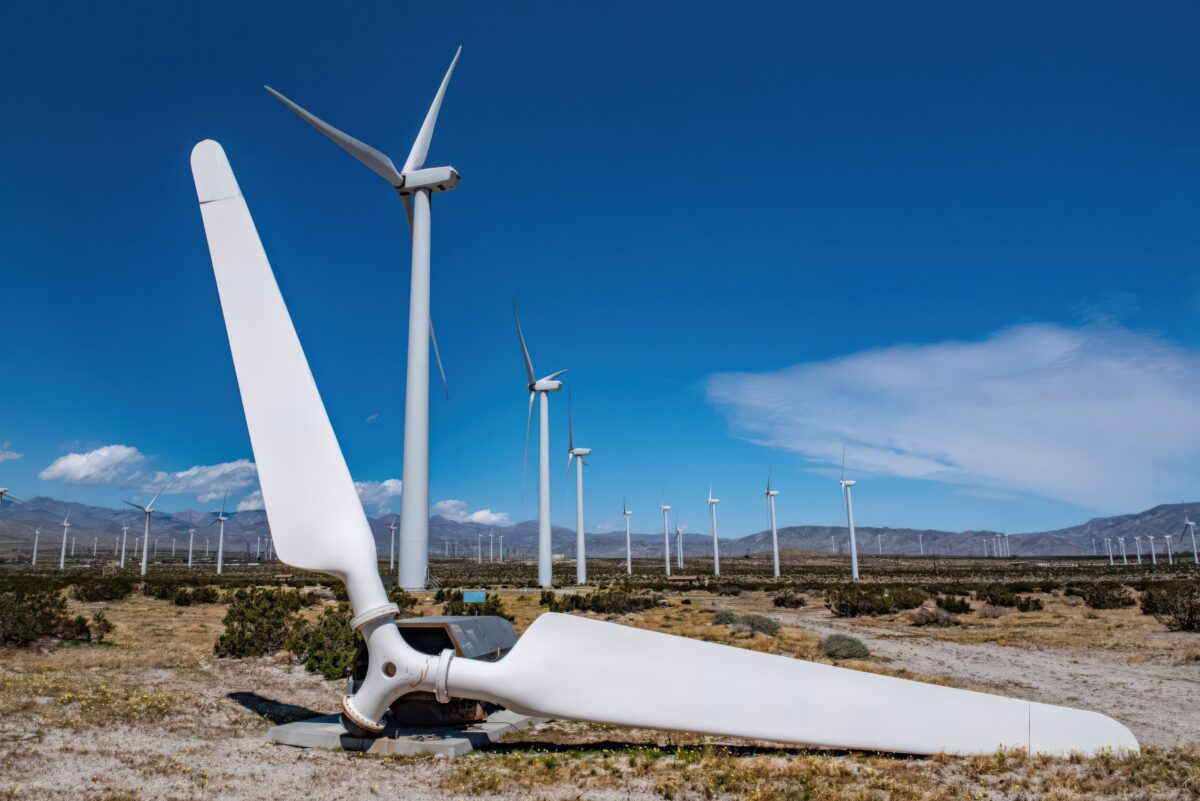
Upscaled with Gigapixel v8.4.4. 2048x1367 => 4096x2734 (2x) Model: Standard V2, denoise: 0.85, sharpen: 0.01, decompression: 0.83 Recycling a yogurt container is easy. But what about a wind turbine over 100 meters tall? That’s the challenge addressed by the CICLO Transmissions Project, an initiative aiming to recycle and recover 100% of wind turbine materials, driving circular economy practices in the renewable energy sector.
-

Upscaled with Gigapixel v8.4.4. 1304x977 => 2608x1954 (2x) Model: Standard V2, denoise: 0.85, sharpen: 0.01, decompression: 0.83 The transition toward a more sustainable energy model is no longer a future aspiration: Spain and Portugal are taking the lead. According to the Scaling up Cleantech panel at South Summit 2024, one in every five green hydrogen projects worldwide will be developed on the Iberian Peninsula, demonstrating the growing influence of both countries in the clean technology revolution.
-
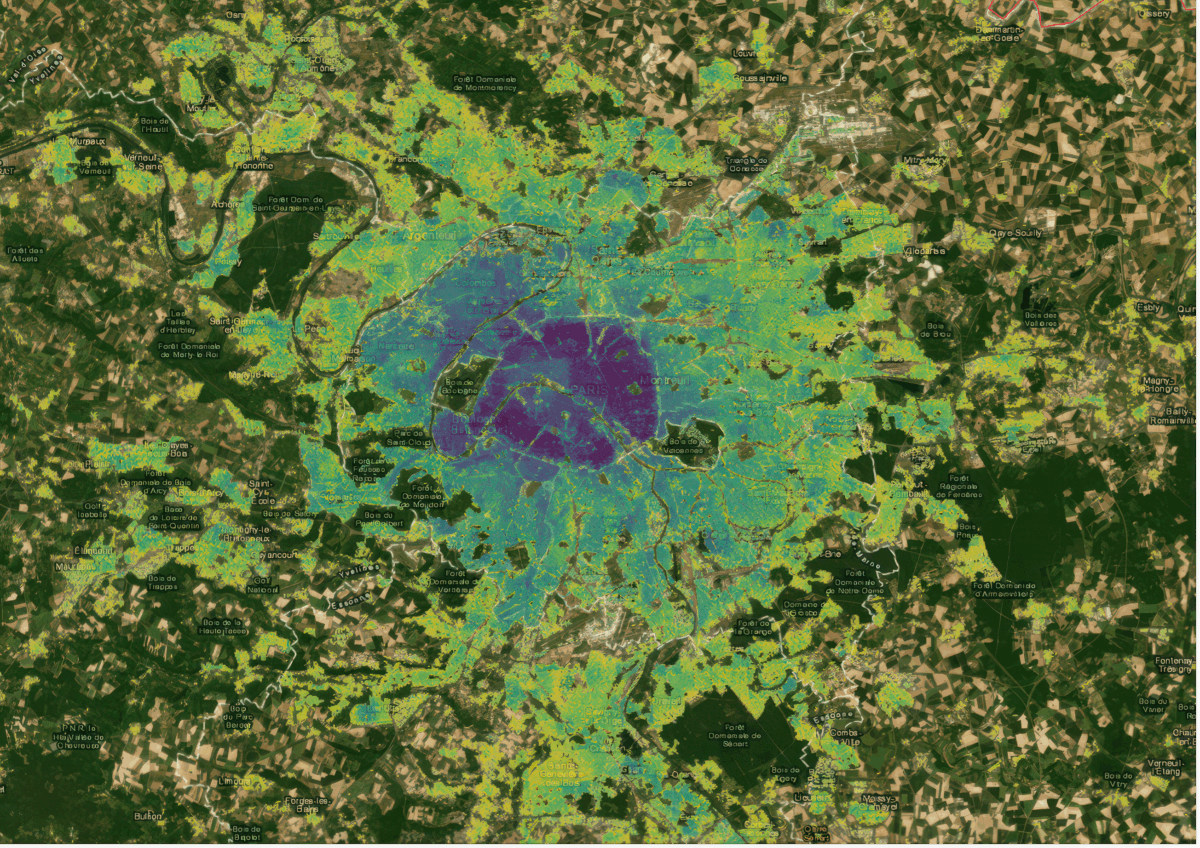
Demand for cooling in buildings across the European Union has grown steadily over the past decades—and all indicators suggest it will continue rising in the coming years. This trend, driven by climate change, presents an urgent challenge: ensuring thermal comfort in a sustainable way. In this context, the CoolLIFE project was launched. Funded by the EU’s LIFE Programme and coordinated by Eurac together with an international consortium of organizations, its goal is to provide open-source tools for integrating ecological cooling solutions into public and private decision-making.