Skip to the content
TALAT
  • Our Company
  • Services
    • Project Management
    • MEP Services
    • Engineering Design Services
  • Projects
  • Insights
  • Contact
    • Work With Us
  • EN
  • ESP
TALAT
  • Our Company
  • Services
    • Project Management
    • MEP Services
    • Engineering Design Services
  • Projects
  • Insights
  • Contact
    • Work With Us
Camí Vell de Bunyola, 37, Local 9, North
07009 Palma, Balearic Islands

+34 971 559031
info@talat.es
  • Aviso Legal
  • Privacy Policy
  • Cookies
  • Ethics Channel
Whatsapp
Linkedin
Instagram
  • EN
  • ESP

Category: News

  • From the physical plant to its virtual twin

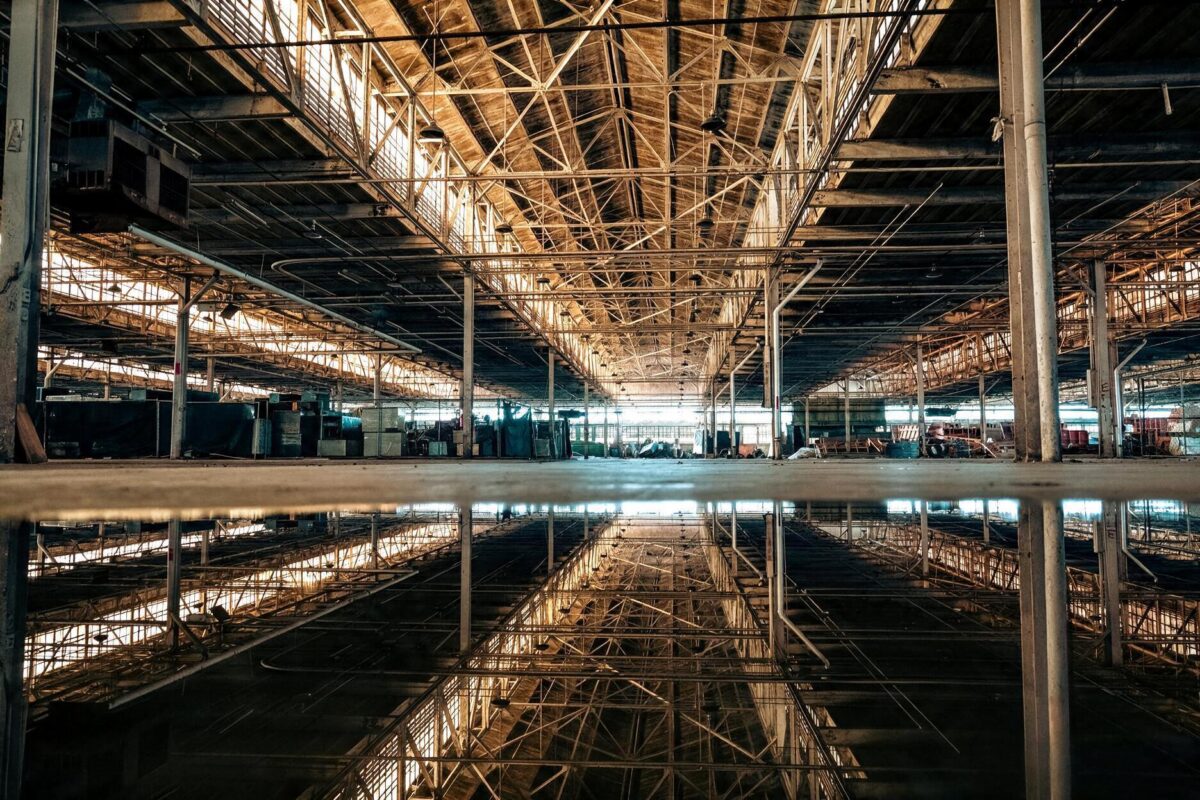
    DIENERTEX has developed digital twin prototypes for energy-intensive processes — fiber-shredding and recycling lines, spinning, finishing and laminating — capable of accurately reproducing a plant’s real energy and production behavior. The key isn’t just the technology, it’s how it’s used: these models let teams simulate production, maintenance or investment decisions before touching a single machine, avoiding costly trials and unnecessary downtime.

    ITE’s technical team puts it well: the models “reproduce energy-production behavior with an adequate degree of accuracy,” translating into better-informed, data-driven decisions. That’s not a small detail. With energy costs remaining one of the biggest pressures on industrial margins, being able to anticipate the impact of a decision before executing it changes the game.

    A pattern repeating at global scale

    What’s telling is that DIENERTEX isn’t an isolated case — it’s the local confirmation of a trend already showing up in major sector reports. Cisco’s State of Industrial AI Report 2026, based on more than 1,000 operational technology leaders across 19 countries, found that 61% of industrial organizations have already moved AI into live operations — not pilots — with energy optimization and sustainability ranking among the highest-traction use cases, alongside predictive maintenance and process automation. 83% of companies plan to increase their industrial AI investment, and 87% expect tangible results within the next two years.

    Taken together, the local case and the global snapshot point in the same direction: industrial digitalization has stopped being a promise for the future and become a present-day management tool. And its raw material is always the same: well-structured energy, production and environmental data, able to feed both a diagnosis and a simulation.

    Why this matters for industrial engineering

    Beyond the immediate savings, DIENERTEX points to something with more runway: laying the groundwork for a sector-wide data environment that supports carbon footprint calculations, decarbonization plans, or the adoption of ecodesign criteria. In other words, the same data that cuts an energy bill today will be the documentation required by European sustainability regulation tomorrow. Whoever starts structuring that information now isn’t just saving money — they’re arriving prepared for what’s coming.

    For those of us working every day at the intersection of engineering, industrial processes and sustainability, cases like this confirm a core conviction: there’s no energy transition without a data transition. The question every industrial company should be asking isn’t whether to digitalize, but how fast it can turn its operational data into decisions.

    Does your organization have the data it needs to build its own digital twin, even at a small scale? We’d love to hear about your experience in the comments.


    • Tags Decarbonization, Digital Twin, Energy Efficiency, Industrial AI, Industrial Sustainability
  • Upscaled with Gigapixel v8.4.4. 2048x1367 => 4096x2734 (2x) Model: Standard V2, denoise: 0.85, sharpen: 0.01, decompression: 0.83

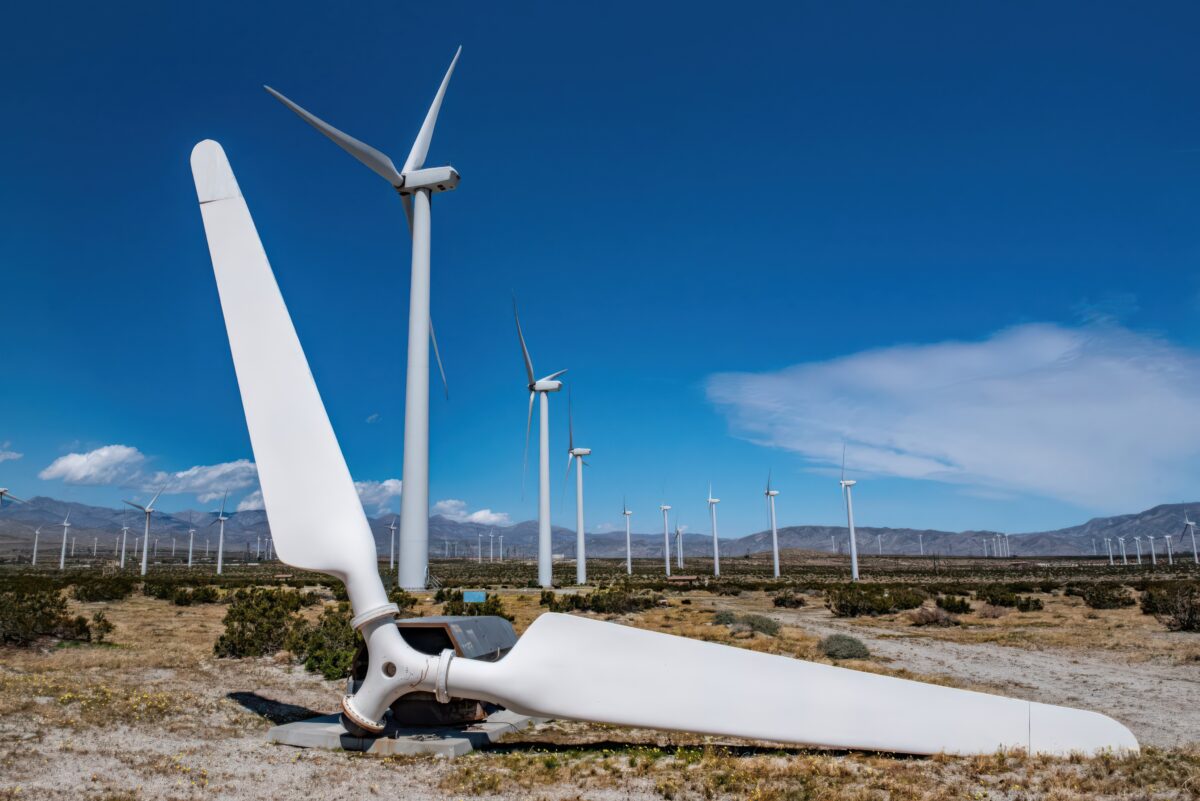
    Recycling a yogurt container is easy. But what about a wind turbine over 100 meters tall? That’s the challenge addressed by the CICLO Transmissions Project, an initiative aiming to recycle and recover 100% of wind turbine materials, driving circular economy practices in the renewable energy sector.

    • Tags Circular Economy, Recycling, Renewable Energy, Sustainability, Wind Turbine Blades, Wind Turbines
  • Upscaled with Gigapixel v8.4.4. 1304x977 => 2608x1954 (2x) Model: Standard V2, denoise: 0.85, sharpen: 0.01, decompression: 0.83

    The transition toward a more sustainable energy model is no longer a future aspiration: Spain and Portugal are taking the lead. According to the Scaling up Cleantech panel at South Summit 2024, one in every five green hydrogen projects worldwide will be developed on the Iberian Peninsula, demonstrating the growing influence of both countries in the clean technology revolution.

    • Tags Clean Tech, Energy Transition, Green Hydrogen, Iberian Peninsula, Industrial Decarbonization, Renewable Energy
  • The data industry is at a decisive turning point. In just two months, we’ve seen major moves such as Databricks’ $1 billion acquisition of Neon and Salesforce’s $8 billion purchase of Informatica. And everything suggests this is only the beginning.

    • Tags Artificial Intelligence, Data Consolidation, Data Infrastructure, Data Quality, Digital Transformation, Enterprise Data, M&A Technology
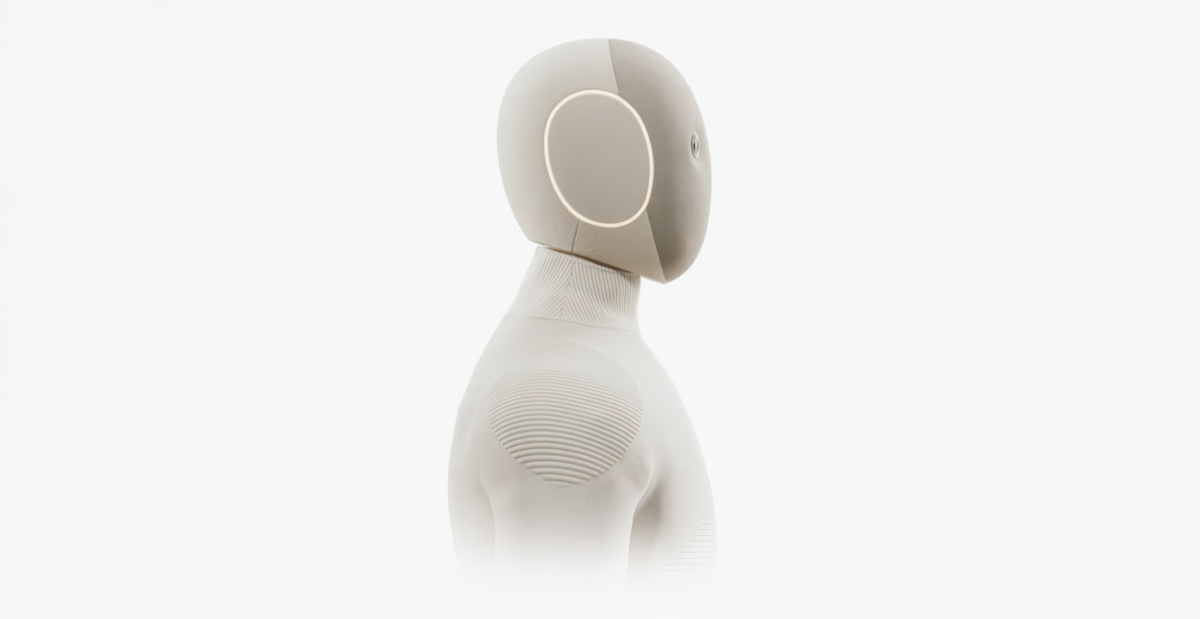
  • The hotel sector is experiencing a paradigm shift with the introduction of robots into daily operations. Automation is no longer a promise of the future—it has become a present-day necessity, especially during peak seasons and in the face of staff shortages. Specialized companies acknowledge that we are in a “continuous peak of demand,” where hotels seek immediate solutions to ongoing staff turnover.

    • Tags Automation, Digital Transformation, Hospitality Technology, Hotel Operations, Hotel Robotics, Innovation, Staff Training
  • Demand for cooling in buildings across the European Union has grown steadily over the past decades—and all indicators suggest it will continue rising in the coming years. This trend, driven by climate change, presents an urgent challenge: ensuring thermal comfort in a sustainable way. In this context, the CoolLIFE project was launched. Funded by the EU’s LIFE Programme and coordinated by Eurac together with an international consortium of organizations, its goal is to provide open-source tools for integrating ecological cooling solutions into public and private decision-making.

    • Tags Climate Change, CoolLIFE Project, Energy Efficiency, Energy Innovation, European Union, Sustainable Buildings, Sustainable Cooling
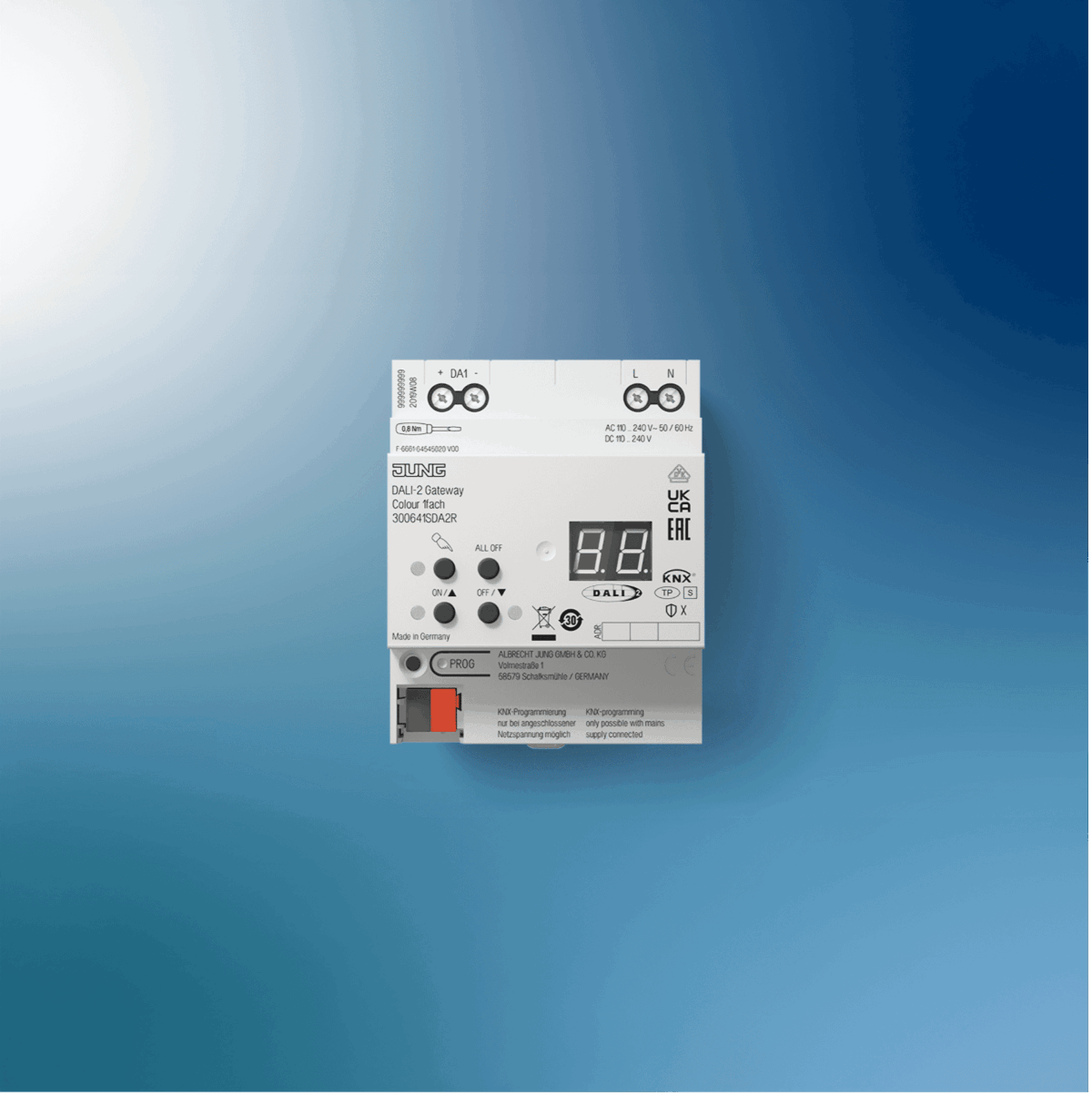
  • Building automation is a key trend shaping the future of sustainable architecture. Thanks to KNX technology, more and more buildings integrate intelligent control systems that manage lighting, HVAC, security, and other services—all under a single network. This integration not only enhances operational efficiency but also enables the creation of more sustainable and high-performance spaces.


Posts pagination

← Newer Posts 1 2Older Posts →
TALAT
NextGen
Engineering Solutions
Camí Vell de Bunyola, 37, Local 9, North,
07009 Palma, Balearic Islands

+34 971 559031
info@talat.es
  • Aviso Legal
  • Privacy Policy
  • Cookies
  • Ethics Channel
Whatsapp
Linkedin
Instagram