Hotel Spa Son Net
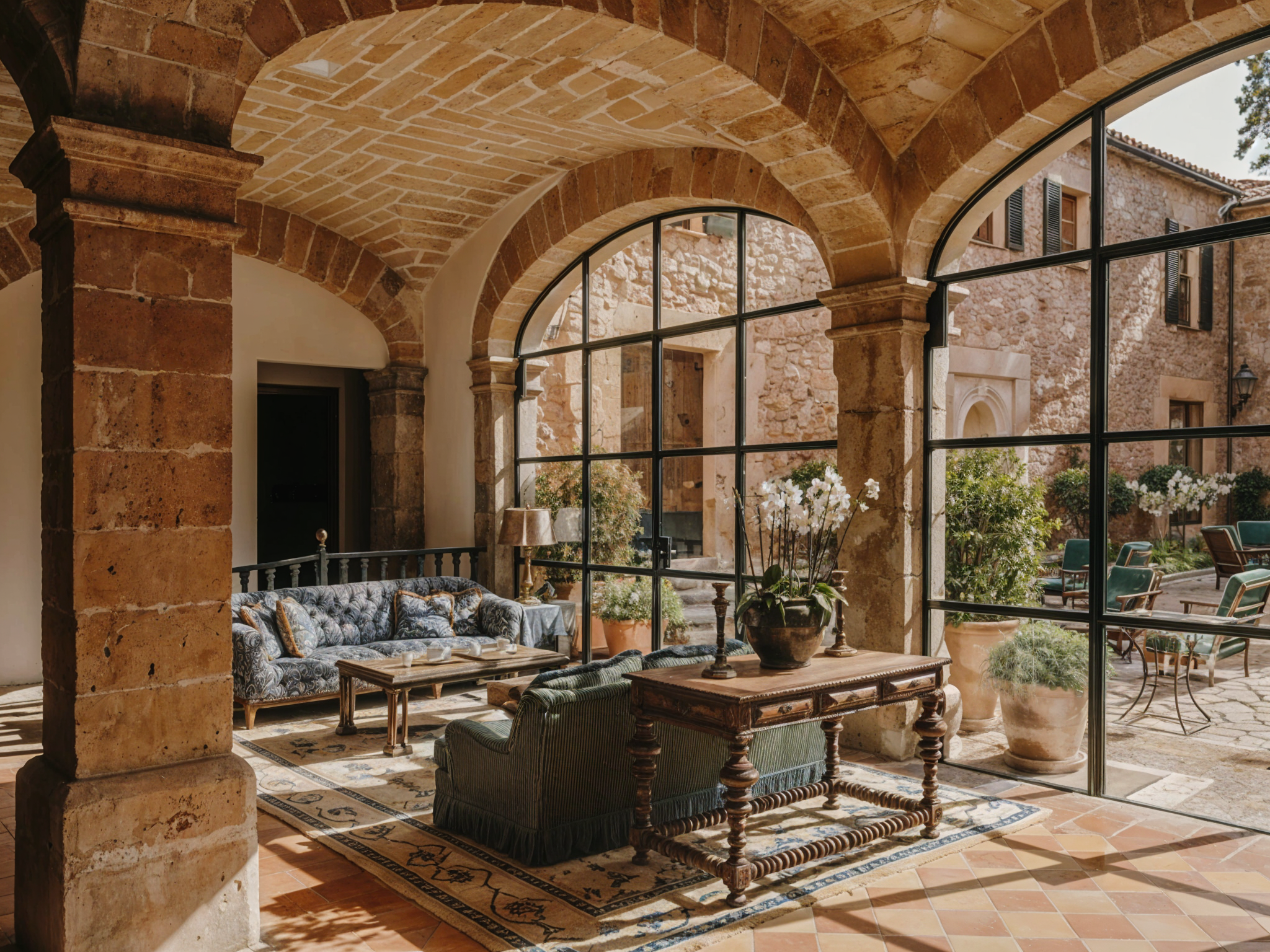
The existing systems are upgraded and replaced with more energy-efficient ones. The new systems are fully powered by the energy savings achieved.
- Annual emissions reduction (kgCO2) -57.074,09
- Annual reduction in emissions (kgCO2) -146.933,58
- CO2 emissions from electricity consumption 303.828,7 KgCO2/año
- CO2 emissions from other fuels 137.180,80 KgCO2/año
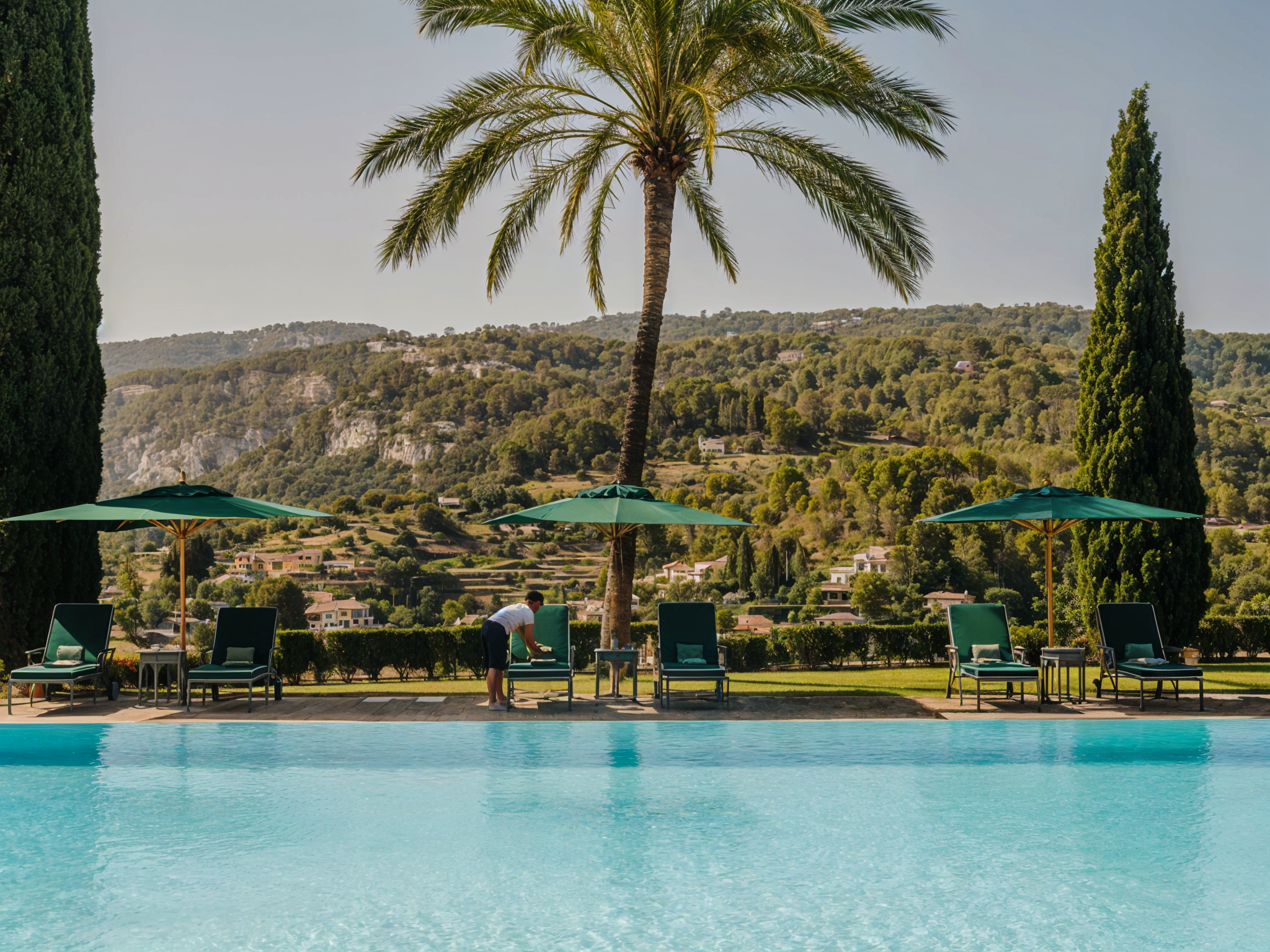
The Hotel Spa Son Net project was conceived as a modernization and expansion scheme designed to upgrade the hotel complex under strict criteria of energy efficiency, sustainability and improved functionality.
The intervention covered the main building as well as the newly added spaces, including the spa building and the meeting building, reshaping the overall complex to enhance its technical and operational performance.
[KgCO2/year] EMISSIONS
- Cooling 53.146,73
- Heating 122.312,73
- Domestic hot water 17.703,63
- Lighting 247.850,82
A key part of the project was the replacement of the existing systems with more efficient installations capable of meeting the new demand without increasing the overall energy consumption.
To achieve this, the design incorporated high-efficiency HVAC solutions, domestic hot water production with energy recovery, LED lighting, technical control systems and management strategies aimed at minimizing consumption and emissions.
In parallel, the water design helped balance and improve the site’s hydraulic performance by introducing rainwater recovery measures and optimizing water consumption.
The result is an advanced technical proposal that combines comfort, functionality and environmental responsibility within a high-end hospitality setting.
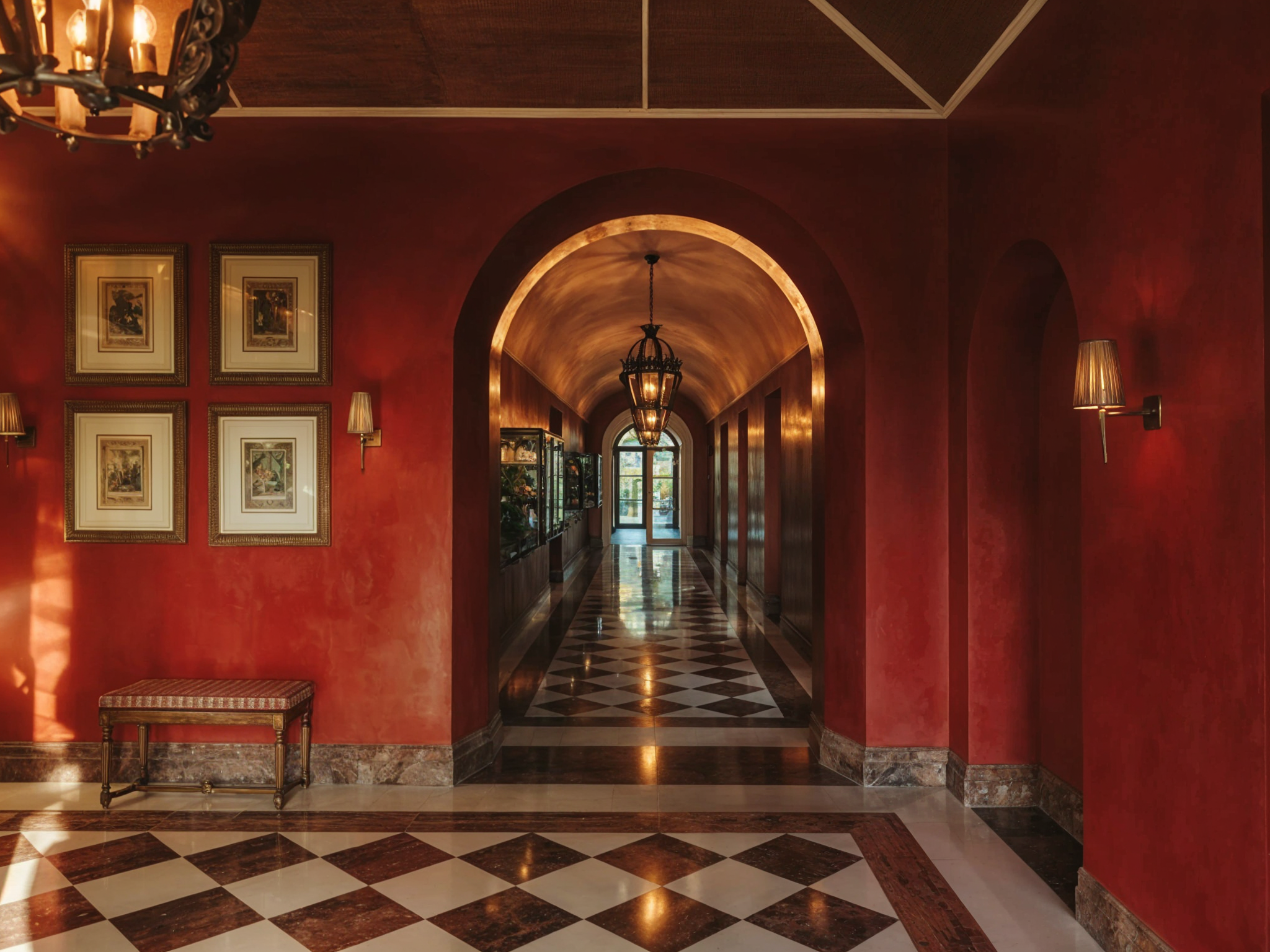
A key part of the project was the replacement of the existing systems with more efficient installations capable of meeting the new demand without increasing the overall energy consumption.
To achieve this, the design incorporated high-efficiency HVAC solutions, domestic hot water production with energy recovery, LED lighting, technical control systems and management strategies aimed at minimizing consumption and emissions.
In parallel, the water design helped balance and improve the site’s hydraulic performance by introducing rainwater recovery measures and optimizing water consumption.
The result is an advanced technical proposal that combines comfort, functionality and environmental responsibility within a high-end hospitality setting.